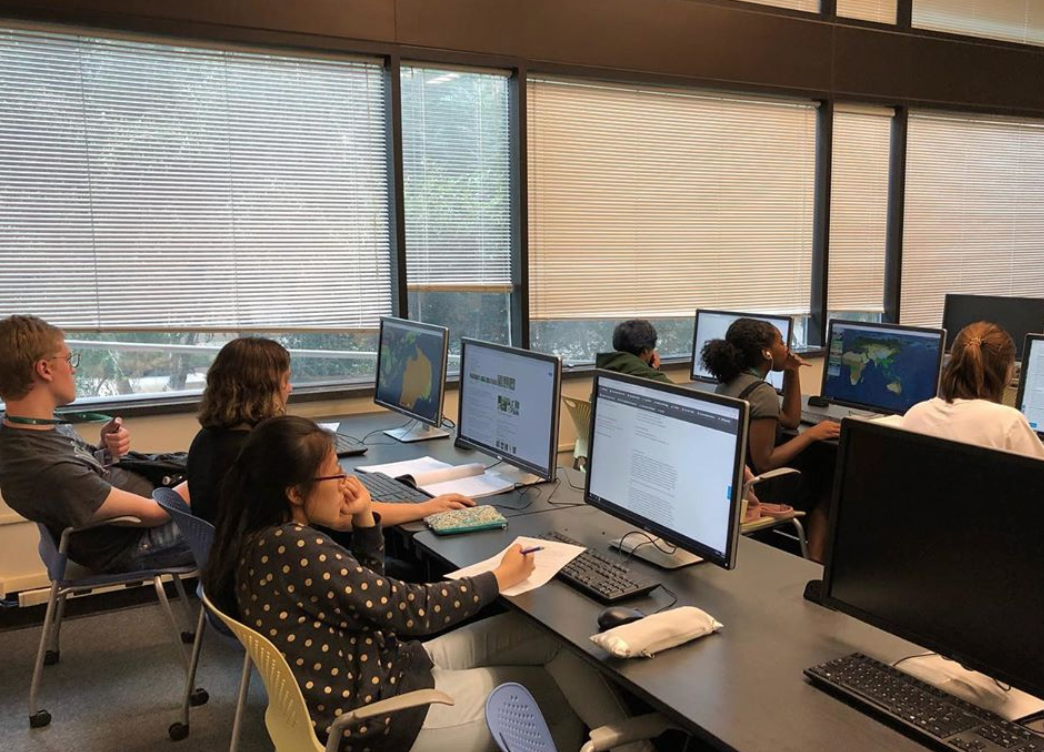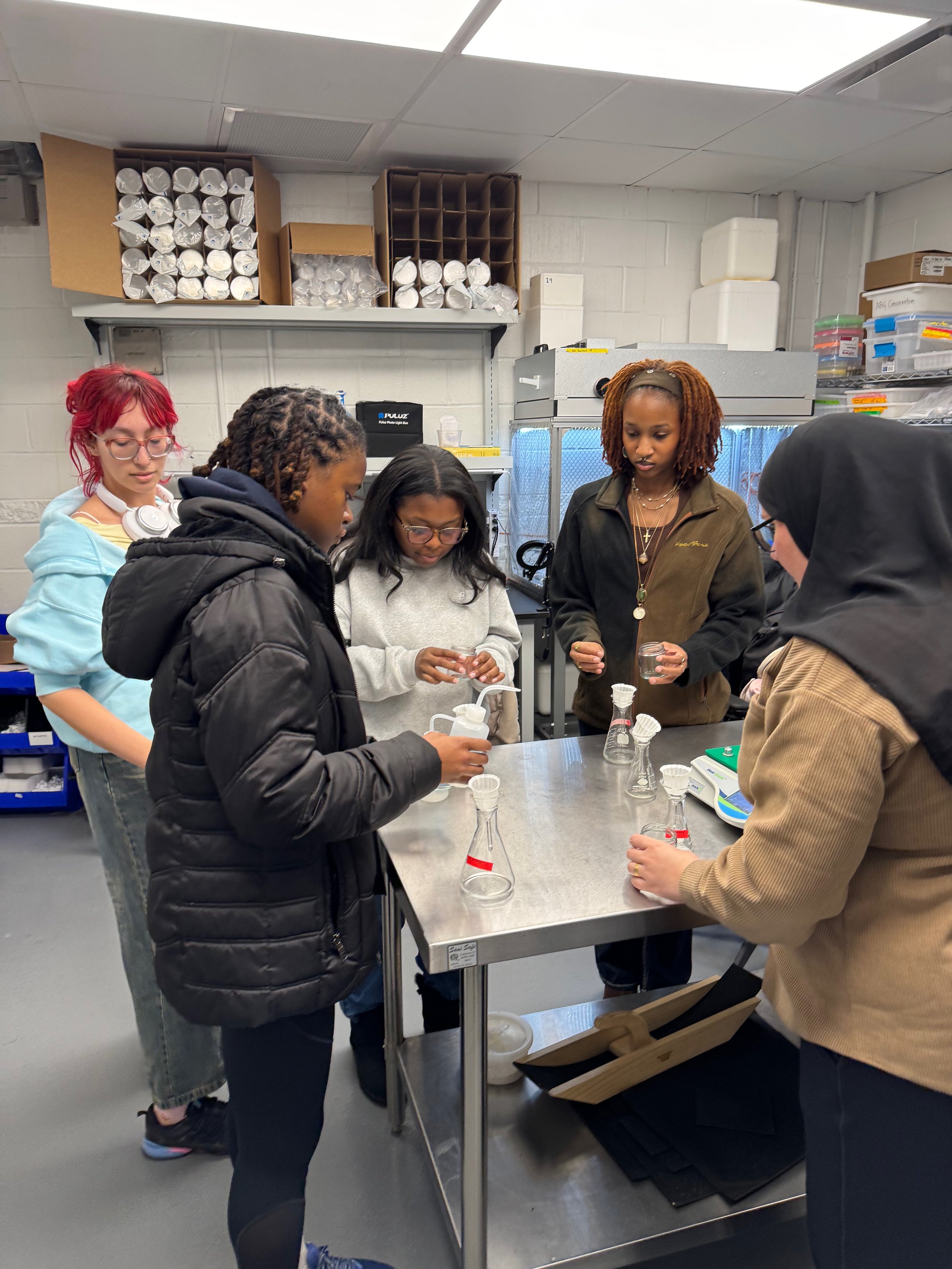
Inclusive teaching practices and increasing equity in academia go hand-in-hand. I employ engaging teaching techniques that are accessible to students of all backgrounds.
Teaching philosophy
My teaching philosophy is grounded in the belief that effective instruction should both challenge students and demonstrate genuine care for their growth. I create clear, organized, and student-centered learning environments that emphasize critical thinking, problem-solving, and confidence-building through scaffolded instruction and evidence-based pedagogy. I incorporate experiential learning by giving students opportunities to apply biological concepts through hands-on research, data analysis, and field-based experiences. These activities connect theory to practice and help students develop practical skills while seeing themselves as scientists.
At spelman college
At Spelman College, I have made significant curricular contributions, including a comprehensive redesign of the Biology 110 laboratory sequence to align learning objectives, instructional materials, and assessments, as well as the development of a new research-intensive course with a study-abroad component in Ecuador. Beyond the classroom, I actively mentor students in research, supporting their development as scientists through hands-on training, writing, and presentation, and helping them access competitive external opportunities.
Population Biology (BIO 110): The first course of the four-course series for biology majors, this class introduces students to ecology, evolution, reading science, as well as the scientific method.
Tropical Ecology and Infectious Disease (BIO 345): Through immersive, hands-on research, students gain experience in each stage of the scientific process — from identifying compelling questions to communicating findings. A highlight of the course is a week-long field immersion in Ecuador, where students work with local conservation biologists to collect data in a tropical ecosystem and visit a local community health clinic.
Seeds and Science (BIO 487): A research-based course that engages students in the science and application of seed banking as a tool for plant conservation. Student investigate the ecological, physiological, and genetic factors that influence seed longevity and germination, with a focus on species held in conservation collections.
Other Courses
Introduction to Conservation Genetics, Tulane University (EBIO 1050): This intensive two-week pre-college course combines lectures and labs to expose students to the principals of evolutionary genetics and the effective management of wild and captive populations. Students learn wet-lab skills such as DNA extraction and PCR and talk to conservation practitioners in different fields.
Tropical Field Biology and Conservation, Tulane University (EBIO 3780): This two-week field course in Ecuador provides students the opportunity to develop and carry-out field based research projects and provides a foundation in tropical ecology. Students work closely with local conservation biologists to learn about the social dynamics that impact conservation work in the region.